


Patient and encounter data
Read patient demographics, visits, problem lists and medications through EHR APIs. Our EHR integration services request only the scopes and consent each user needs, and map the data into your product's own model.
We connect your product to the EHR your customers already run, using FHIR APIs and HL7 feeds. HIPAA-aligned engineers on your US hours.



Standards and regulations we design toWe build to these. They are not certifications, and we do not claim any.
 FHIR APIs
 HL7 v2 interfaces
 Designed to support HIPAA
 GDPR-aligned, UK and EU
 ISO 27001, in progress
Trusted by healthcare and technology teams
Scope depends on the EHR and your use case. These are the data flows we build most in EHR integration for Epic, Oracle Health and athenahealth: patient data, orders, scheduling, documents and secure authorization, each tested before launch.
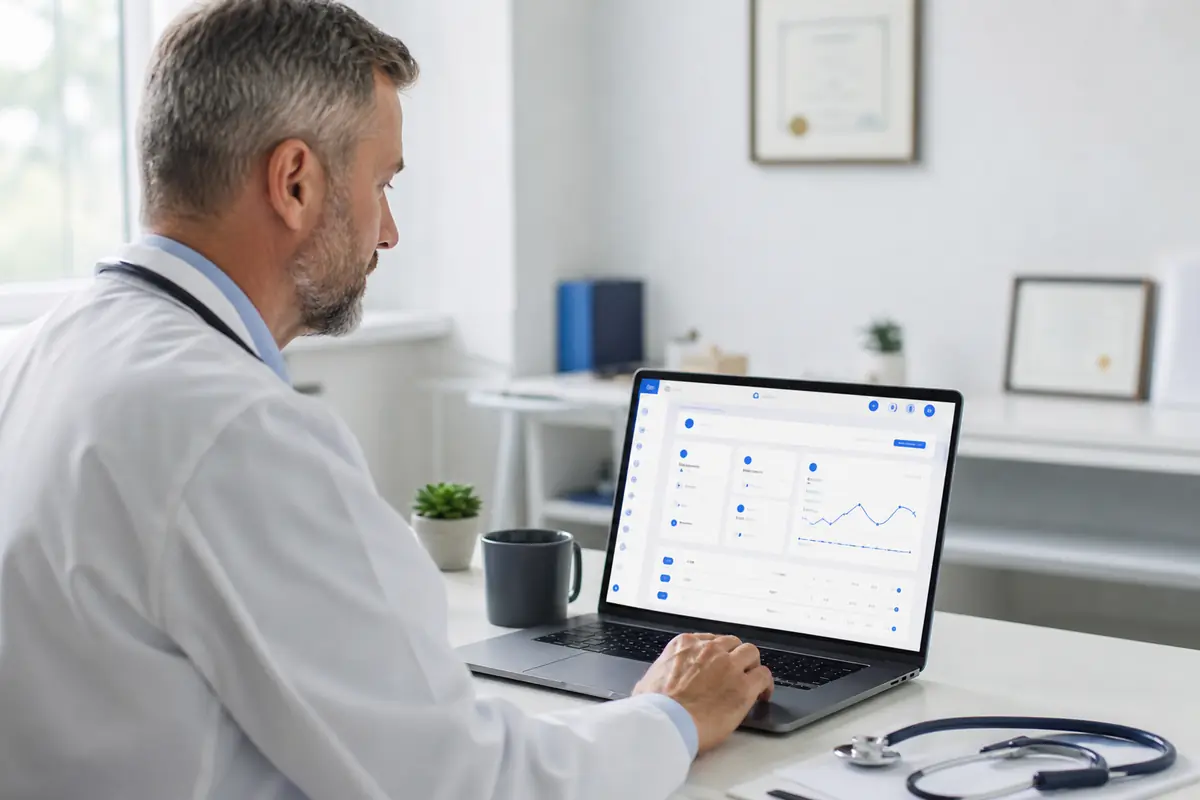
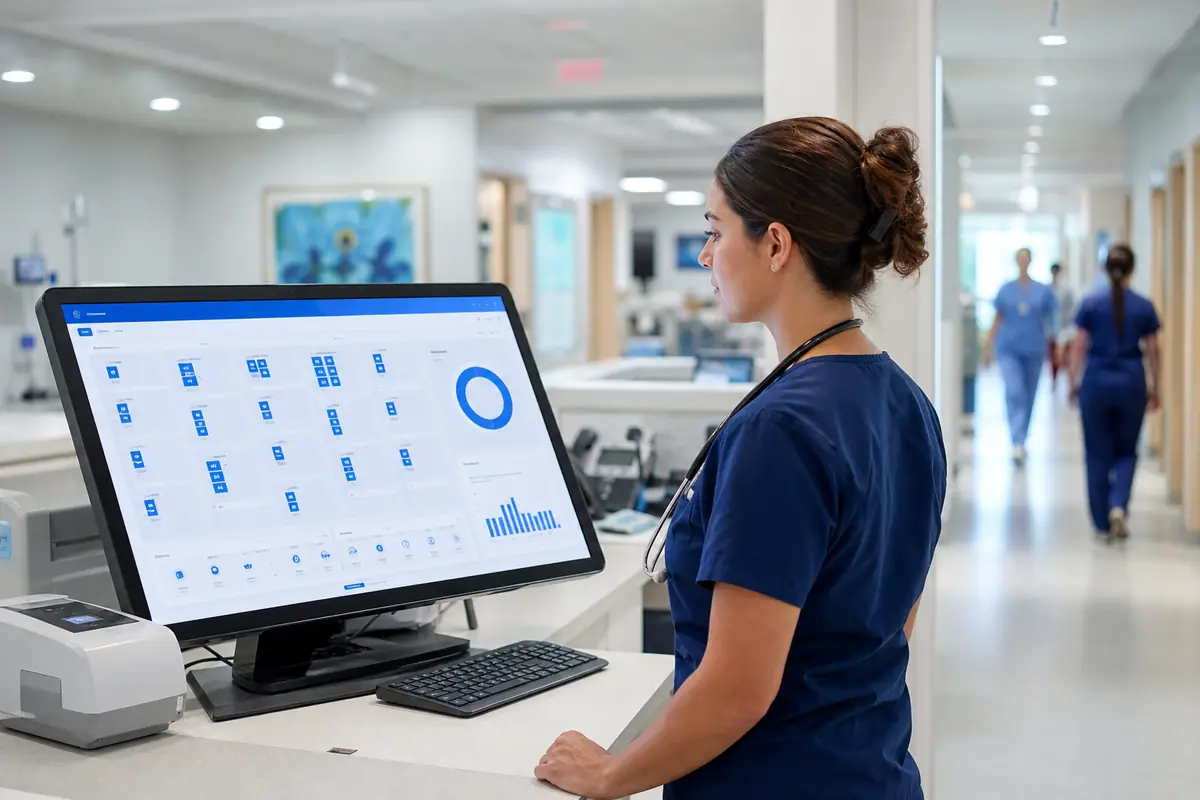


Read patient demographics, visits, problem lists and medications through EHR APIs. Our EHR integration services request only the scopes and consent each user needs, and map the data into your product's own model.
Send lab and imaging orders to the EHR and receive results back into your product. We use FHIR or HL7 v2 depending on the site, and handle status updates, corrections and failed messages with monitoring.
Scheduling integration that reads open slots and books, moves or cancels visits in the EHR. We keep both calendars in sync and handle provider, location and visit-type rules for each practice.
Read and write clinical notes and C-CDA or PDF documents through the EHR. We handle document types, authorship, signing rules and attachments so your product's notes appear properly in the patient chart.
SMART on FHIR launch opens your app inside Epic, Oracle Health or athenahealth with the patient already selected. We build the launch flow, OAuth 2.0 authorization and session handling end to end.
HL7 v2 feeds such as ADT, ORM and ORU messages for sites without modern FHIR APIs. We build the interface, map fields to your data model and monitor delivery so nothing silently drops.
OAuth 2.0 and OpenID Connect authorization with scopes limited to what each user may see. Access is logged, consent is respected and tokens are managed securely, with safeguards designed to support HIPAA.
Teams that must work inside a customer EHR to launch or grow.
Your first clinic customer will ask which EHR you connect to.
Launching with a provider that runs a major EHR.
Pulling encounters and charges from the EHR reliably.
Connecting internal tools to the EHR you already use.
Five steps, from choosing the access path to a monitored go-live.
Public FHIR APIs, a vendor app program or an HL7 feed, for each EHR.
App registration and test credentials from the vendor.
Interfaces built against the sandbox with synthetic patients.
Each health system reviews and approves the app. We plan for it.
Staged rollout with alerts and message replay.
What each standard does in an EHR integration.
 FHIR R4
The API standard certified EHRs publish.
How apps launch in the EHR and get scoped access.
The core data classes EHRs are expected to share.
HL7 v2Message feeds many hospital systems still use.
Authorization for apps and users.
EHR data is patient data. These controls are built in from the first sprint.
How we protect patient dataTLS on every connection and encrypted storage.
Who accessed which record, when and from where.
Each user sees only what their role needs.
Production access is limited, approved and time-limited.
Patient data stays in US cloud regions, in your account.
We sign a BAA before any PHI access, and use HIPAA-eligible cloud services under their own BAAs.
Tell us which EHRs you must connect. A senior engineer checks the access path for each and what you will need from the customer.
Get a free feasibility check
Tell us about your project and we'll get back to you within 24 hours with a game plan.
Mon-Fri, 8AM-12PM EST
4hr overlap with US EasternTalk to our healthcare engineers and get a tailored proposal.
After a 30-minute call you receive a detailed proposal covering scope, timeline and investment, with no obligation.
Safeguards designed to support HIPAA. BAA available.Senior engineers on your US hours. You own 100% of the code. Not ready yet? Try the cost calculator.










It takes about a minute.